.png)
5 Traditional Foods to Boost Your Energy

Food is our body's fuel, and the right choice of foods can have a significant impact on our energy levels throughout the day. Traditional foods have been used for centuries to provide energy and nourishment to the body. In this blog post, we will explore 5 traditional foods that can help boost your energy levels and keep you going throughout the day.
1. Fermented Cod Liver Oil

Fermented cod liver oil is a type of fish oil that is made through a fermentation process , rather than through the traditional heat-based extraction method. This method is said to retain more of the natural nutrients and beneficial compounds found in the fish, including omega-3 fatty acids, vitamins A and D, and many other nutrients. Fermented cod liver oil is commonly used as a dietary supplement to support overall health , including cardiovascular health, brain function, joint health, and more. It is believed to have anti-inflammatory properties and may help reduce the risk of chronic diseases such as heart disease and arthritis. Fermented cod liver oil is available from many health food stores , online retailers, and supplement companies, and is typically sold in liquid form. It is important to choose a reputable brand and consult with a healthcare professional before consuming any dietary supplement.
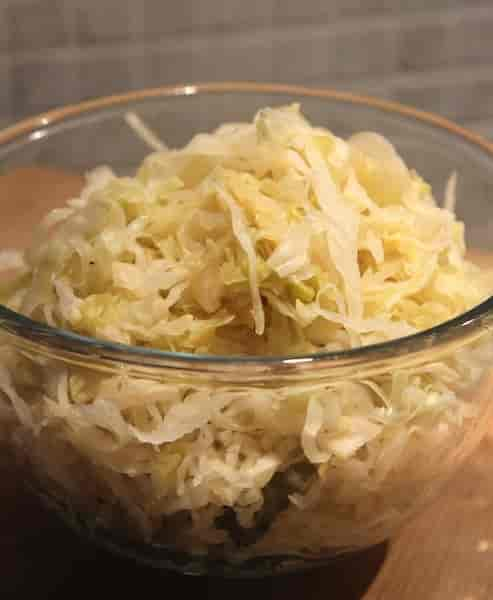
2.Sauerkraut
3. Bone Broth

Bone broth is a type of nutrient-dense stock that is made by boiling animal bones and connective tissue . It is often used as a base for soups and sauces, or enjoyed on its own as a health drink. Bone broth is a particularly rich source of natural collagen, which is a type of protein found in the bones, skin, and cartilage of vertebrate animals. Some of the potential health benefits of bone broth include support for joint health, digestive health, weight management, and more. To make bone broth, you typically start by roasting animal bones for added flavor, then simmering them in water for several hours. You can also include herbs, spices, and vegetables to enhance the flavor. There are many variations of bone broth recipes, with some using poultry bones, beef bones, or a combination of both.
4. Beet Kvass

Beet kvass is a type of fermented drink made by culturing beets in a slightly salty brine for a few days or up to a week . It originated in Eastern Europe. Beet kvass is considered a probiotic drink, as it is rich in lactic acid bacteria that are beneficial for digestive health. It is also said to be a good source of vitamins and minerals, including potassium, magnesium, and vitamin C. The flavor of beet kvass is similar to sauerkraut juice, with a mild, tangy taste. To make beet kvass, you cut up the beets and place them in a jar with water and salt, then let the mixture sit at room temperature for a few days to allow the fermentation process to occur. Some recipes also call for adding ginger, garlic, and other herbs and spices for added flavor.
5. Kefir

Kefir is a fermented milk drink that is similar to a thin yogurt or ayran , made by inoculating milk from cows, goats, or sheep with kefir grains, which are a mesophilic symbiotic culture of bacteria and yeast. Kefir originated in the North Caucasus and is widely consumed across Russia, Belarus, Estonia, Hungary, Latvia, Lithuania, Poland, Romania, Ukraine, and Czech Republic, as well as in Norway, Sweden, and Finland, where buttermilk-type fermented dairy drinks are common. It is considered a probiotic drink, as it contains probiotic bacteria such as Lactobacillus acidophilus, Bifidobacterium bifidum, Streptococcus thermophilus, and Lactobacillus delbrueckii subsp, which are beneficial for digestive health. Some of the potential health benefits of kefir include support for bone health, immune function, weight management, and more. To make kefir, you typically add kefir grains to milk and let the mixture ferment for a period of time at ambient temperatures. There are many variations of kefir, with some using different types of milk and even using kefir as a base for sourdough bread.


