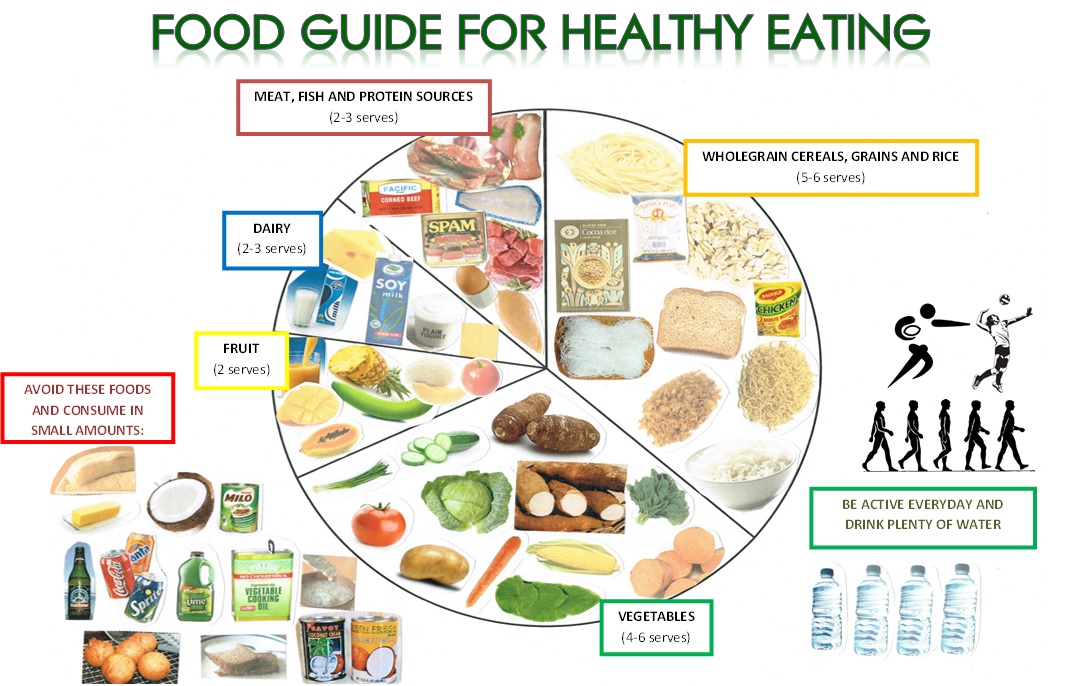
Losing weight can be a challenging task, but it is often necessary for our health and well-being. There are many fad diets and quick weight loss plans out there, but the truth is that sustainable weight loss takes time, effort, and dedication. Here are some tips on how to lose weight safely and as quickly as possible.
1. Eat a variety of foods: Eating a variety of foods ensures that you get all the nutrients your body needs. Include fruits, vegetables, whole grains, lean protein, and healthy fats in your diet.
2.Choose whole foods: Whole foods are foods that are minimally processed and retain their natural nutrients. Examples include fruits, vegetables, whole grains, nuts, and seeds.
3.Limit processed foods: Processed foods are often high in calories, unhealthy fats, sugar, and sodium. Try to limit your intake of processed foods such as packaged snacks, sodas, and fast food.
4.Control portion sizes: Eating too much of any food can lead to weight gain. Use portion control techniques, such as using smaller plates, measuring food, and being mindful of your hunger and fullness signals.
5.Drink plenty of water: Water is essential for many bodily functions, including digestion, metabolism, and cellular function. Aim for at least eight glasses of water per day.
6.
Balance your macronutrients: Your diet should include a balance of carbohydrates, protein, and healthy fats. Carbohydrates provide energy, protein helps build and repair tissues, and healthy fats are essential for brain and heart health.
7.Limit added sugars: Added sugars are sugars that are added to foods during processing or preparation. They can contribute to weight gain and increase the risk of chronic diseases. Limit your intake of sugary drinks, candies, and desserts.
8.Choose healthy cooking methods: How you prepare your food can affect its nutritional value. Choose healthy cooking methods such as baking, grilling, or steaming instead of frying.
9.Read food labels: Food labels can help you make informed choices about the foods you eat. Look for foods that are low in saturated and trans fats, added sugars, and sodium.
Remember, a healthy diet is not about deprivation or strict rules, but rather about making smart choices that nourish your body and support your health goals. By following these tips, you can create a balanced, nutritious diet that works for you.
.png)