.png)
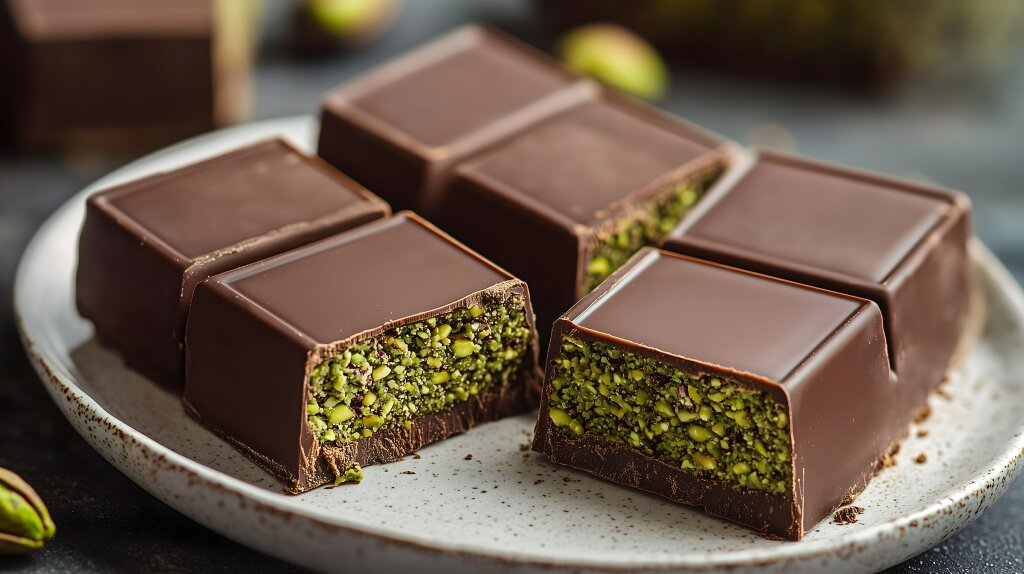
Dubai Pistachio Knafeh Chocolate Recipe (Viral Bar)
Introduction
You’ve seen the viral bar all over TikTok and Instagram: a glossy chocolate shell that snaps clean, then reveals a crispy knafeh layer and a thick pistachio filling. But when most people try it, the results are disappointing—soggy knafeh, gritty chocolate, or a filling that leaks everywhere.
That frustration is real (especially after buying pistachio cream, kataifi, and good chocolate). The good news: the Dubai Pistachio Knafeh Chocolate Recipe is absolutely doable at home if you control moisture, crunch, and chocolate setting.
This guide gives you a reliable, repeatable method with chef-style cues, smart substitutions, and fixes for the most common mistakes—so your bar tastes rich, looks premium, and stays crisp.
Key Takeaways
- How to keep knafeh (kataifi) crispy inside a chocolate bar (the #1 success factor).
- A balanced pistachio filling that’s rich, not overly sweet.
- Two chocolate methods: easy melt vs tempered (glossier, better snap).
- Exact assembly steps to prevent leaks, cracks, and dull chocolate.
- Storage and serving tips so texture stays on point.
What Is the Dubai Pistachio Knafeh Chocolate Bar—and Why Is It Trending?
This trend is essentially a filled chocolate bar with a Middle Eastern twist: toasted knafeh pastry (kataifi) mixed into a pistachio-based filling, sealed inside a chocolate shell.
It works because of contrast:
- Snap from the chocolate shell
- Crunch from toasted knafeh
- Creamy richness from pistachio
- A giftable, “luxury dessert” look that photographs beautifully
The visual payoff is huge too. When you cut it, the filling shows distinct layers—perfect for short-form videos.
Ingredients (With Substitutions That Still Taste Great)
Below is a practical batch for 2–3 bars, depending on mold size. If you can, use a kitchen scale. Consistent thickness and clean layers matter for this recipe.
| Ingredient | Amount (US) | Amount (Metric) | Why it matters | Smart substitutions |
|---|---|---|---|---|
| Good-quality chocolate (milk or dark) | 14–18 oz | 400–500 g | Shell flavor + snap | Couverture is ideal; use a bar you’d enjoy eating |
| Kataifi / knafeh pastry (shredded) | 4–5 oz | 120–150 g | Crunch layer | Fine vermicelli as a last resort (different texture) |
| Butter or ghee | 3–5 tbsp | 50–70 g | Toasting + crispness | Plant butter works, but flavor changes |
| Pistachio cream (spread) | 7–9 oz | 200–250 g | Main flavor | DIY pistachio paste + sweetener (see below) |
| Tahini (optional) | 1–2 tbsp | 15–30 g | Depth + less sweetness | Skip if you prefer pure pistachio |
| Salt | Pinch | Pinch | Balances sweetness | Don’t skip—especially with milk chocolate |
| Chopped pistachios (optional) | 2–4 tbsp | 20–40 g | Texture + aroma | Almonds or hazelnuts also work |
DIY Pistachio Cream (If You Can’t Find It)
Mix until smooth:
- 150 g pistachio paste (100%)
- 50–70 g sweetened condensed milk (or powdered sugar + a splash of milk)
- A pinch of salt
- Optional: 1 tbsp tahini
Goal: thick, spreadable, not runny. If it’s too loose, add more pistachio paste or a spoon of finely ground nuts.
Equipment You’ll Need
- Chocolate bar mold (silicone is easiest; polycarbonate looks most professional)
- Heatproof bowl + saucepan (double boiler) or microwave-safe bowl
- Spatula
- Frying pan for toasting kataifi
- Spoon or small offset spatula for leveling
Step-by-Step: Dubai Pistachio Knafeh Chocolate Recipe
1) Toast the Knafeh (Crunch First, Always)
- Pull apart the kataifi strands so they’re loose, not clumped.
- Melt butter/ghee in a pan over medium heat.
- Add kataifi and stir constantly for 6–10 minutes until deep golden.
- Spread it on a plate to cool completely.
Visual cue: It should smell nutty and feel dry/crisp when cool. If it still feels flexible or pale, toast longer. Warm or under-toasted kataifi traps moisture and turns soft inside the chocolate.
2) Make the Pistachio Filling (Thick, Not Runny)
- In a bowl, combine pistachio cream + pinch of salt.
- Add tahini (optional) to deepen flavor and reduce sweetness.
- Fold in chopped pistachios if you want extra bite.
Consistency check: It should mound on a spoon and hold shape. If it flows like sauce, thicken it (more pistachio paste, ground nuts, or a bit of milk powder).
3) Combine Pistachio Filling + Toasted Knafeh
- Once kataifi is fully cool, fold it into the pistachio mixture.
- Mix gently until the strands are evenly coated.
Ratio tip: Don’t drown the kataifi. This bar is famous for visible crunch, not just a soft pistachio paste.
4) Melt (or Temper) the Chocolate
Option A: Easy Melt (Beginner-Friendly)
- Microwave the chocolate in 20–30 second bursts, stirring each time.
- Stop when it’s mostly melted, then stir to finish.
This is fast and works well, but the chocolate may be slightly softer at room temperature and less glossy.
Option B: Tempered Chocolate (Best Snap + Shine)
Tempering gives that premium finish: shinier shell, cleaner “snap,” less melting in your fingers. If you want a professional look and feel, tempering is worth it (follow a trusted tempering method for your chocolate type).
5) Create the Chocolate Shell (The Mold Coat)
- Spoon melted chocolate into your mold cavities.
- Tilt and rotate so the chocolate coats the sides evenly.
- Tap the mold gently to remove air bubbles.
- If possible, invert briefly to let excess drip out (helps shell thickness).
- Chill for 5–8 minutes until set but not rock-hard.
Visual cue: The surface looks set, and a light touch doesn’t stick.
6) Fill, Level, and Seal
- Add the pistachio-knafeh filling into each cavity.
- Press lightly to remove gaps, but don’t crush all the crunch.
- Leave a few millimeters at the top for sealing.
- Pour a final layer of chocolate to close the bar.
- Scrape the back smooth with a spatula.
Leak-prevention rule: If you overfill, you’ll force the seal open and the filling can escape when unmolding.
7) Chill, Unmold, and Serve
- Chill 20–30 minutes, or until fully set.
- Unmold gently.
- Let bars sit 5 minutes at room temp before eating for best flavor.
Common Mistakes (And Fast Fixes)
1) The Knafeh Turns Soft Inside the Bar
Cause: Under-toasted kataifi, warm mixing, or humid storage.
Fix: Toast deeper golden, cool completely, store airtight. If your kitchen is humid, add a bit more toasted kataifi
and reduce wet ingredients.
2) Chocolate Looks Dull or Streaky
Cause: Untempered chocolate or temperature swings.
Fix: It’s still edible and tasty. For a premium finish next time, temper the chocolate and avoid rapid warming/cooling
cycles after setting.
3) The Shell Cracks When Unmolding
Cause: Shell too thin or uneven.
Fix: Apply a slightly thicker first coat and fully coat corners/edges. Tap out bubbles. Let it set properly before filling.
4) Filling Leaks Out the Sides
Cause: Overfilling or weak seal.
Fix: Leave headspace and seal with a confident final chocolate layer. Smooth the back so the seam is fully closed.
Flavor Variations
- Dark chocolate shell + extra salt: less sweet, more intense.
- White chocolate drizzle: add after unmolding for contrast.
- Orange blossom or rose (tiny amount): subtle Middle Eastern aroma.
- Crunch boost: mix in finely chopped roasted pistachios.
Serving, Storage, and Shelf Life
Serving
- Slice with a warm knife for clean cuts.
- Pair with espresso or unsweetened mint tea to balance sweetness.
Storage
- Store in an airtight container in the fridge: 5–7 days.
- Freeze up to 1 month (wrap each bar in parchment + freezer bag).
- For the best bite, let sit 5–10 minutes at room temperature before serving.
Allergens & Dietary Notes
This recipe contains nuts (pistachio) and may contain dairy (butter, milk chocolate). Kataifi is usually wheat-based (gluten). Check labels carefully if cooking for allergies.
Conclusion
This Dubai Pistachio Knafeh Chocolate Recipe isn’t hard—it’s precise. Nail the kataifi toast, keep the filling thick, and build a proper chocolate shell. Do that, and you’ll get a bar that looks viral, tastes luxurious, and stays crisp.
When you make it, which shell do you prefer: milk chocolate, dark chocolate, or a mix—and do you like extra crunch or extra creaminess?
FAQ
1) What makes the Dubai Pistachio Knafeh Chocolate Recipe different from regular pistachio chocolate?
This recipe includes toasted knafeh (kataifi) inside the pistachio filling, creating a signature crunch layer. Regular pistachio chocolate is usually smooth or nut-studded. The contrast between crisp pastry and creamy pistachio is what makes the Dubai version feel premium and viral.
2) Do I need pistachio cream, or can I use pistachio butter/paste?
You can use pistachio paste (100%), but you’ll need to sweeten and loosen it slightly for a spreadable filling. Mix pistachio paste with sweetened condensed milk (or powdered sugar + a little milk), add a pinch of salt, and adjust until it’s thick, not runny.
3) How do I keep the knafeh crispy inside the chocolate bar?
Toast the kataifi until deep golden, then cool it completely before mixing. Avoid watery ingredients, and store the finished bars airtight. Moisture is the enemy—if the filling is too soft or the kitchen is humid, the kataifi will absorb it and lose crunch.
4) Why is my chocolate shell dull or soft at room temperature?
This usually happens when chocolate is simply melted, not tempered. Untempered chocolate can set with a dull finish and melt more easily in warm hands. Tempering aligns cocoa butter crystals for better shine, snap, and stability—especially helpful for gift-style bars.
5) Can I make this recipe without a chocolate bar mold?
Yes. Line a small loaf pan or square container with parchment, create a chocolate layer, chill, add filling, then seal with more chocolate. The look will be less “store-bought,” but the flavor and texture can still be excellent if you keep the shell even and the filling thick.


